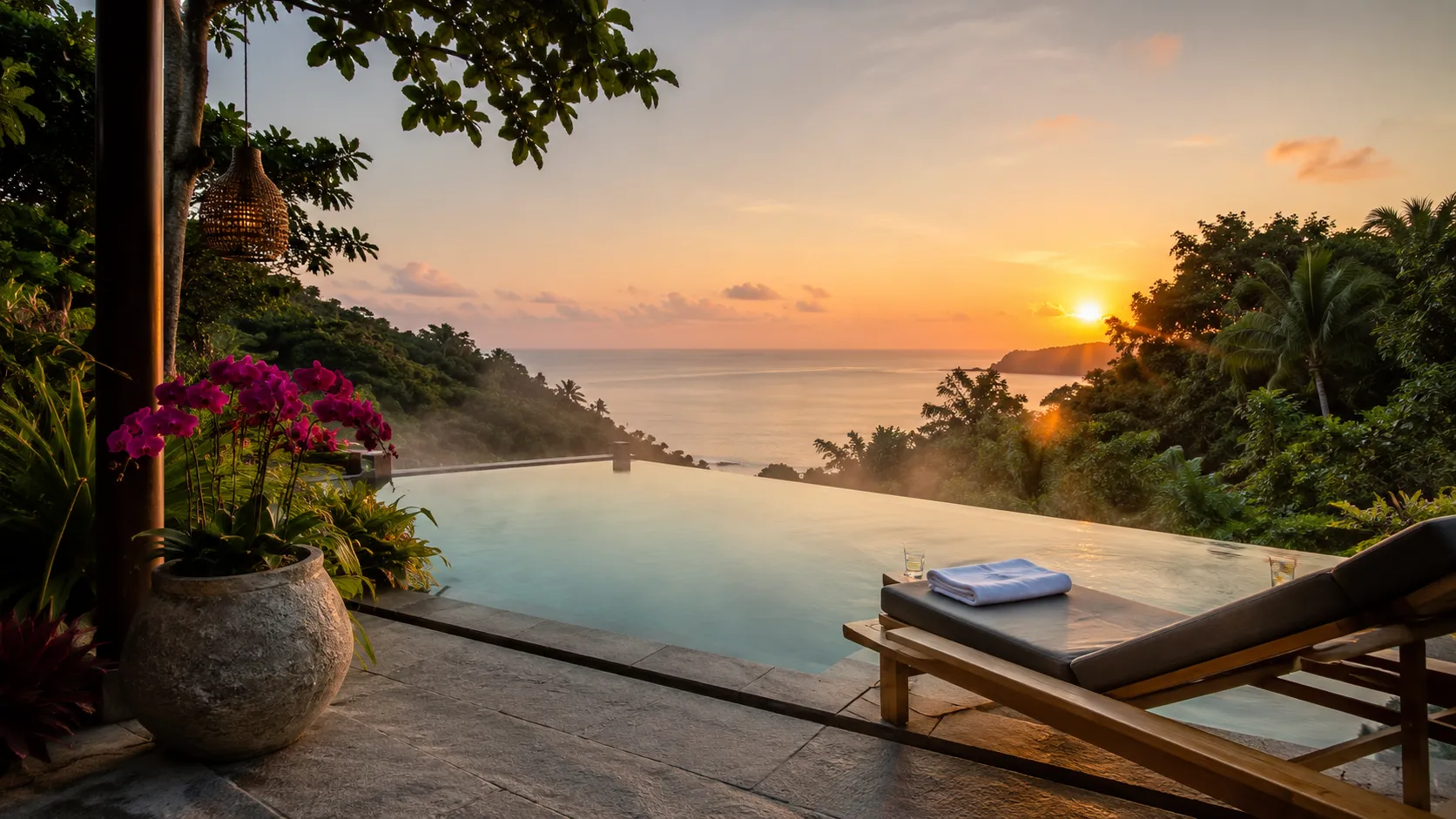
You wake up at 6am. Check WhatsApp before your feet hit the floor.
By 9am you’ve answered forty messages and the day hasn’t even started.
This is the life a lot of Karachi professionals are quietly living. Running on fumes. Calling it “normal.”
Then summer break lands. The kids are home. The house is loud. And somewhere between the third unanswered email and the second skipped meal, you think: I need to actually switch off. Not a beach where I scroll by the pool. A real reset.
That’s where Thailand keeps coming up.
And the first question everyone asks is the right one.
Is Thailand even safe to visit right now?
Yes, with one clear caveat: stay away from the Cambodian border, and you’re in one of Southeast Asia’s most visited countries.
Here’s the honest breakdown, because nobody books a healing trip into a war zone by accident.
There’s a real conflict. A ceasefire between Thailand and Cambodia took hold on 27 December 2025 and remains in effect as of May 2026, though sporadic incidents and general mistrust remain. Multiple governments have drawn a hard line around the frontier. The US State Department advises do not travel to areas within 50km of the Thai-Cambodian border due to ongoing fighting between Thai and Cambodian military forces.
Now read where that line actually is.
The wellness destinations Pakistani travelers care about, Koh Samui, Phuket, Chiang Mai, Bangkok, sit hundreds of kilometres from that border. Thailand ranks 30th safest among 44 countries surveyed by US travelers in Berkshire Hathaway Travel Protection’s 2026 assessment, and the kingdom holds its spot as Southeast Asia’s most visited destination despite regional security challenges affecting specific border areas. The capital region presents minimal security risks, tourist police maintain a visible presence across the main districts, and central Bangkok is rated low risk for crime and terrorism.
So the takeaway is simple. Pick the island, skip the border. That’s it.
This is exactly the kind of thing a package brochure will never tell you. A set itinerary doesn’t pause to explain which 50km strip to avoid. We do, because your safety is the whole point of a holiday meant to lower your blood pressure, not raise it.
Why Thailand became the wellness capital nobody can ignore
Mental health is now the thing people travel for.
Not sightseeing. Not shopping. Switching off.
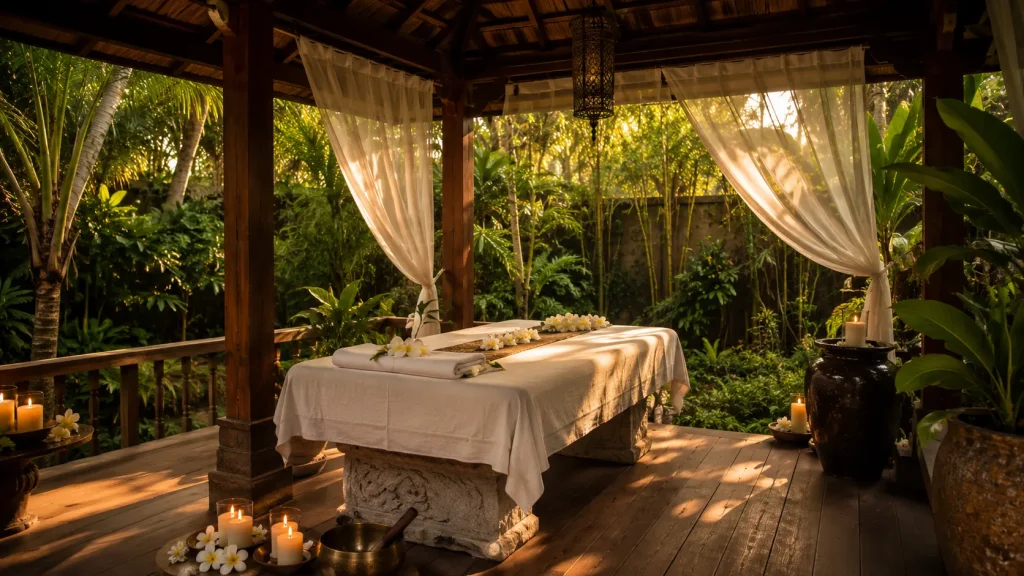
The shift is real across the region. Wellness retreats in Thailand, Bali, and Sri Lanka are pulling travelers who want yoga, meditation, digital detox, and traditional healing instead of another packed tour bus.
Thailand sits at the centre of it. World-class private hospitals in Bangkok and Phuket. Spa culture that goes back generations. And one sanctuary that keeps topping the lists.
5 Smart Thailand wellness escapes worth the flight
Here’s where to actually go, matched to what you need.
| Retreat | Best for | The specific draw |
| Kamalaya, Koh Samui | Structured, medically-minded resets | 100+ therapies, East-West healing programs |
| Koh Samui beach resorts | First-timers easing in | Calm island, no border proximity |
| Chiang Mai retreats | Cooler air, slow mornings | Mountain setting, meditation focus |
| Phuket wellness stays | Families splitting time | Spa plus kid-friendly beaches nearby |
| Bangkok day-spa add-ons | Short breaks, stopovers | Top private hospitals, easy logistics |
The standout? Kamalaya Wellness Sanctuary on Koh Samui offers 76 rooms, 100-plus therapies, and holistic programs blending East and West healing practices, with newer offerings including a Longevity House for anti-aging therapies and a Cognitive House for brain-heart wellness.
That’s a serious, structured program. Not a massage and a smoothie.
For a Karachi professional who’s been grinding for years, that kind of medically-supervised reset during a longer summer break is the difference between coming home rested and coming home guilty.
How to plan a Thailand wellness retreats trip that actually works
Most people get the logistics wrong, then blame the destination. Don’t.
1. Pick your island first, then your dates. Koh Samui and Phuket stay far from the border zone. Lock the location before you fall in love with a price.
2. Match the program to your stress. Three days won’t fix five years of burnout. Kamalaya-style structured retreats reward a real 7-to-10-day window. Summer break gives you that.
3. Sort halal food before you fly, not on day three. This is where families get stung. A reset trip falls apart when dinner becomes a daily negotiation. We handle the halal-restaurant map and resort dining before you board.
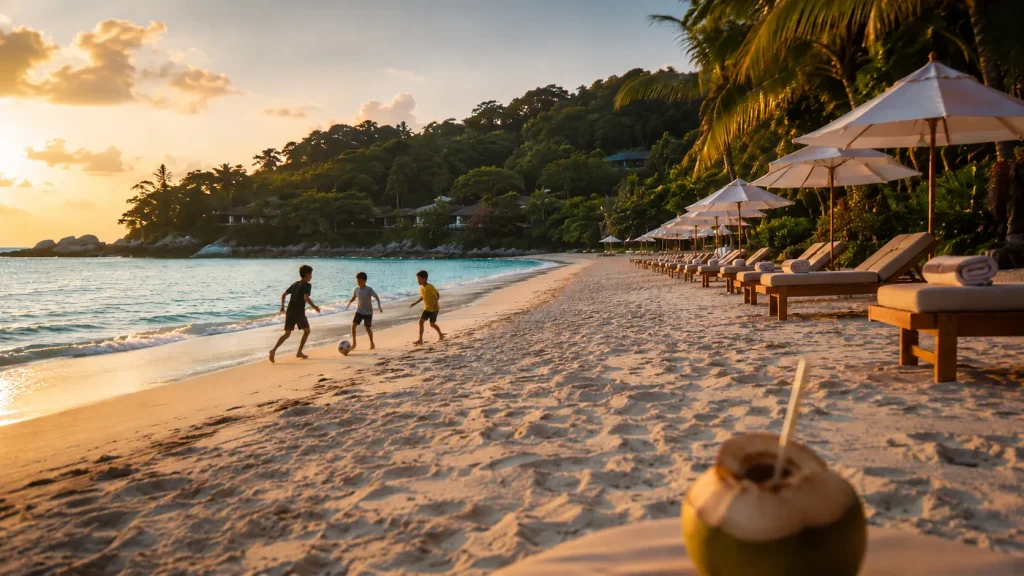
4. Build in family flex. Travelling with kids or parents? A Phuket base lets one person do spa mornings while the rest hit the beach. A rigid package can’t split like that.
5. Get medical and trip insurance that covers your real itinerary. The State Department recommends travel medical insurance with medical evacuation coverage for Thailand. Worth it. Always.
This is the part where the package model breaks.
A set 6-night, 7-day Thailand package is built for a hundred families before you. It assumes everyone wants the same temple run, the same group dinner, the same hotel.
A burnout reset is the opposite of that. It’s yours or it’s pointless.
The Zaviamo difference on a trip like this
We’ve never sold a package. Not one.
Every Thailand trip we build starts with a conversation about you. Your stress. Your pace. Whether you want Kamalaya’s clinical structure or a slower Chiang Mai morning. Whether the kids come or stay with their grandparents.
Our process is custom from the first message. You talk to Ali or Rahat directly, not a sales desk. Rahat spent years inside the airline industry at Qatar Airways, so the flight routing from Karachi gets handled by someone who actually knows how it works.
Want to see the full picture of what we build in Thailand? Start there.
Frequently Asked Questions
Is it safe to travel to Thailand for a wellness trip in 2026?
Yes, as long as you stay away from the Cambodian border zone. The do-not-travel warnings apply to areas within 50km of the Thai-Cambodian border. Wellness destinations like Koh Samui, Phuket, Chiang Mai, and Bangkok sit far from that area and remain among Southeast Asia’s most visited, low-risk tourist zones.
Where is the best wellness retreat in Thailand?
Kamalaya on Koh Samui is widely ranked among the top wellness sanctuaries in Southeast Asia. It offers 76 rooms, more than 100 therapies, and structured East-West healing programs, including dedicated longevity and cognitive wellness houses. It suits travellers who want a medically-minded reset over a 7 to 10 day stay.
How long should a Thailand wellness retreat be?
For real burnout recovery, plan 7 to 10 days. Shorter stays of two or three days work as a top-up, but structured programs at sanctuaries like Kamalaya are built around longer windows. The summer school break gives Pakistani families exactly the runway they need.
Can I bring my family on a wellness trip to Thailand?
Yes. A Phuket base works well for families because one person can do spa mornings while others enjoy kid-friendly beaches nearby. The key is a flexible, custom itinerary that splits activities, which a fixed package cannot do.
Your move
Summer break is your window. The school holidays are short, and the best Koh Samui and Phuket wellness rooms move fast once Karachi families start booking.
Tell us your dream Thailand trip. Your first custom quote is free, within 24 hours, zero pressure.
P.S. The safest, calmest Thailand isn’t a secret. It’s just not on the border. We build every itinerary to keep you in the low-risk islands and out of the headlines, with halal dining sorted before you board. A package can’t promise that. We can.
P.P.S. Message us on WhatsApp and you’ll hear back within 30 minutes. Not a call center. Ali or Rahat, every time.