
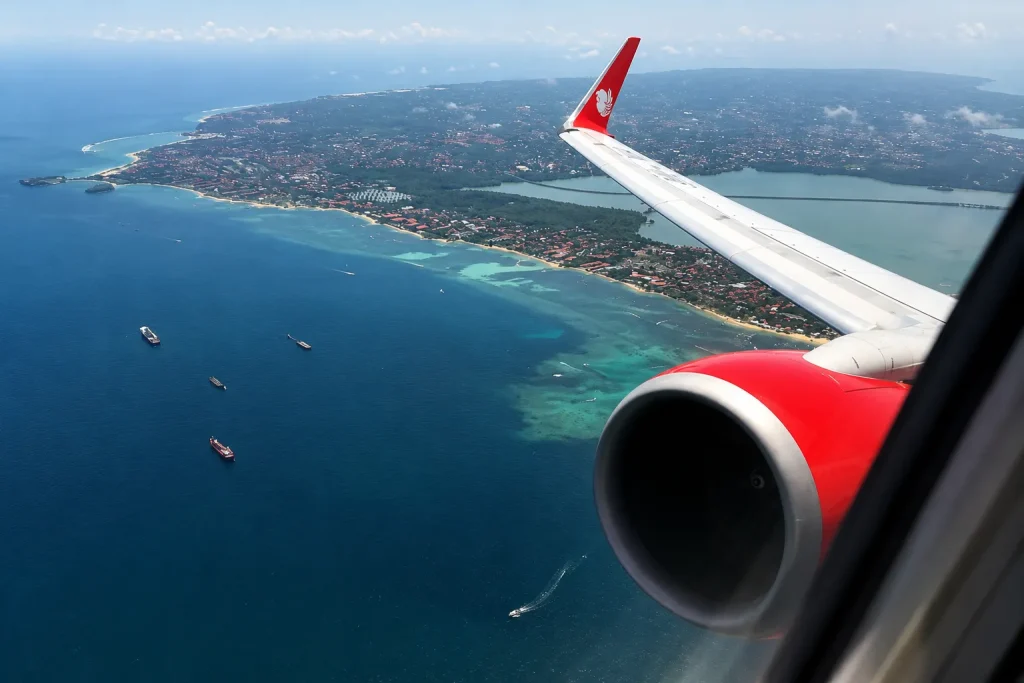
A Karachi family lands at Denpasar after a 14-hour night of layovers.
Two sleepy kids. A stroller. A husband holding four passports.
And then the immigration officer asks for a digital arrival card nobody at the agency ever mentioned.
That moment, standing in a queue at 5am, phone battery at 9%, trying to fill a government form you should have done three days ago. That’s where the Bali dream cracks.
Not because Bali is hard. Because nobody told you the rules changed.
So before you book your summer escape to Indonesia, settle these five things first.
Rule 1: Pakistanis don’t get visa-free Bali. Sort the e-VOA before you fly.
Here’s the first myth to kill. Bali is not visa-free for green-passport holders.
Bali (Indonesia) is not visa-free for Pakistani passport holders. You can use Visa on Arrival or apply for an eVisa in advance.
The cleaner path is the electronic Visa on Arrival, applied online before you board. The VoA allows a 30-day stay, extendable once for another 30 days.
That covers almost any summer-break trip with room to spare.
One catch worth knowing. Sources disagree on whether Pakistanis can rely on visa-on-arrival at the counter or must apply online in advance. The safe move is to apply for the e-VOA online days before departure, so you’re never gambling on a counter decision after a long-haul flight.
Rule 2: Budget the real fees. They’re small, but they’re separate.
People assume one fee covers everything. It doesn’t. Bali stacks a few charges, and each one is its own line item.
| What you pay | Approx cost | When |
| e-VOA / e-Visa | IDR 500,000 (~USD 35) | Online, before you fly |
| Bali tourism levy | IDR 150,000 per person | On arrival, separate from visa |
| Visa extension (if you stay over 30 days) | Government rate | At immigration office in Indonesia |
The visa fee is fixed. Indonesia Visa on Arrival costs IDR 500,000 (approximately USD 32, around PKR 9,000–10,000). The eVisa fee is similar.

Then the island adds its own charge. Foreign tourists entering Bali (air or sea) must pay a IDR 150,000 levy separate from any visa fee.
For a family of four, that’s a small sum. But it’s the kind of thing a package brochure quietly leaves off, then “sorts out on the ground” while your kids melt in the heat.
Rule 3: The arrival card is new. Do it before you land.
This is the form that catches families off guard in 2026.
The government replaced all paper customs cards in October 2025. Every foreign passenger must complete the digital All Indonesia Arrival Card.
It is not a visa. It’s a separate digital declaration. The new All Indonesia Arrival Card is not a visa. It’s a mandatory digital entry declaration (immigration + customs + health) but does not replace visa requirements.
Fill it within three days of arrival, get the QR code, screenshot it. When to submit: Ideally within 3 days before arrival. You’ll receive a confirmation/QR to show at checkpoints.
Do it from your sofa in Karachi. Not from a immigration queue with a dying phone.
Rule 4: Watch the scams, and skip the unofficial agents.
There’s a cottage industry of fake visa middlemen. The official advisories are blunt about it.
The UK FCDO updated its Indonesia guidance on 10 June 2026 with fresh warnings about the arrival form and visa scams (GOV.UK).
The Bali advisory echoes it. The Bali travel advisory update 2026 also warns against using unofficial visa agents. Tourists are encouraged to rely on official Indonesian immigration channels to avoid fraud or document issues.
The official portal is evisa.imigrasi.go.id. Anything else asking for your passport scan and a “fast-track fee” deserves a hard no.
This is exactly where the package model fails you. A reseller hands your documents to whoever’s cheapest on their end. A custom planner walks you through the real government portal and tells you what each fee is for.
Rule 5: Indonesia is built for Muslim families. Plan around it anyway.
Here’s the good news that makes Bali worth all the paperwork.
Indonesia is the world’s largest Muslim-majority country, and it shows up in the travel experience. Indonesia is the world’s largest Muslim-majority nation, making it naturally welcoming for Pakistani Muslim travelers. Halal food is widely available across most tourist destinations.
Indonesia, Malaysia and Singapore topped the Global Muslim Travel Index for Southeast Asia, scoring high on halal food, prayer facilities and family-friendly services (Seasia).
But Bali itself is Hindu-majority. So the smart play is pairing it with Java or Lombok, where the halal infrastructure runs deeper, and choosing Bali areas where halal kitchens are easy to find.
One more thing for families. Indonesia’s revised criminal code came into force on 2 January 2026 (Perfect Wave Travel). For married Pakistani couples travelling together, this is a non-issue, but it’s the kind of local-law detail worth knowing before you go, not after.
And the timing is right. Tourism is climbing fast. According to data released by BPS Bali on June 2, 2026, the island welcomed 553,328 international visitors in April 2026. This represented a 17.21% increase compared to the previous month.
Summer break is the window. Rooms in the good family areas of Bali, Ubud, and Lombok move quickly once Karachi schools close.

Why a custom Indonesia trip beats a package every time
A package treats Bali like a stamp to collect. Same five villas. Same three temple tours. Same shrug when you ask where the halal kitchen is.
That’s the reselling business, not the travel business.
A custom trip flips it. Your pace. Your kids’ nap schedule. Your need for prayer-friendly stays and a driver who knows which warung is genuinely halal.
This is the whole reason Zaviamo exists. A Turkey trip that went wrong, a package that couldn’t flex, and a co-founder who knew the industry from the inside.
When we plan your Indonesia trip, every villa, every transfer, every halal recommendation is chosen for your family. Not pulled from a brochure built for a hundred families before you. See how we build it and start with Indonesia here.

Frequently Asked Questions
Is Bali visa-free for Pakistani passport holders in 2026?
No. Bali is not visa-free for Pakistani passport holders. You apply online for an electronic Visa on Arrival or e-Visa before you fly. The visa allows a 30-day stay, extendable once for another 30 days.
How much does the Bali visa cost for Pakistanis?
The Indonesia Visa on Arrival costs IDR 500,000, which is roughly USD 32 to 35, or around PKR 9,000 to 10,000. The e-Visa fee is similar. On top of that, Bali charges a separate tourism levy of IDR 150,000 per person on arrival.
What is the All Indonesia Arrival Card?
It’s a mandatory digital entry declaration covering immigration, customs and health that replaced the old paper customs cards in October 2025. It is not a visa and does not replace your visa. Complete it online ideally within three days before arrival and keep the QR code to show at checkpoints.
Is Bali a good destination for Pakistani Muslim families?
Yes. Indonesia is the world’s largest Muslim-majority country and halal food is widely available across tourist areas. Bali itself is Hindu-majority, so pairing it with Java or Lombok gives you deeper halal infrastructure for a family trip.
Settle it now, not at the immigration counter
The Bali visa for Pakistanis isn’t complicated. It’s just full of small steps that nobody warns you about until you’re standing in a queue.
So settle them now.
Tell us your dream Indonesia trip. Your first custom quote is free, within 24 hours, zero pressure. Plan my trip.
P.S. Summer break is the busiest window for Bali’s family-friendly stays, and the good villas in Ubud and Lombok block out early once Karachi schools close. The e-VOA takes 3 to 5 business days to process, so the paperwork has a deadline even if your booking doesn’t feel like it does yet. WhatsApp us before that buffer disappears.
P.P.S. No package handed your passport to a discount middleman. We walk you through the official government portal, tell you what each fee is for, and answer at 11pm because your flight doesn’t wait until morning.