Sunday morning at Jakarta’s main airport, the departure boards turned into a wall of red.
Ash. From Anak Krakatau.
Al Jazeera reported that eight airports, Soekarno-Hatta included, halted operations over the weekend, with more than 270,000 passengers caught in cancellations, delays and diversions since September 5.
And Bali?
Bali’s airport never closed.
That single contrast decides how you should book your December trip.
The winter school break is about 13 weeks out. You’re pricing Denpasar tickets in the exact week a volcano rewrote a few hundred flight schedules. So don’t bin the plan. Change its shape.
What Actually Happened Between September 4 And 7
The volcano sits far from Bali. The air corridors it dirtied are the ones domestic Indonesian flights live on.
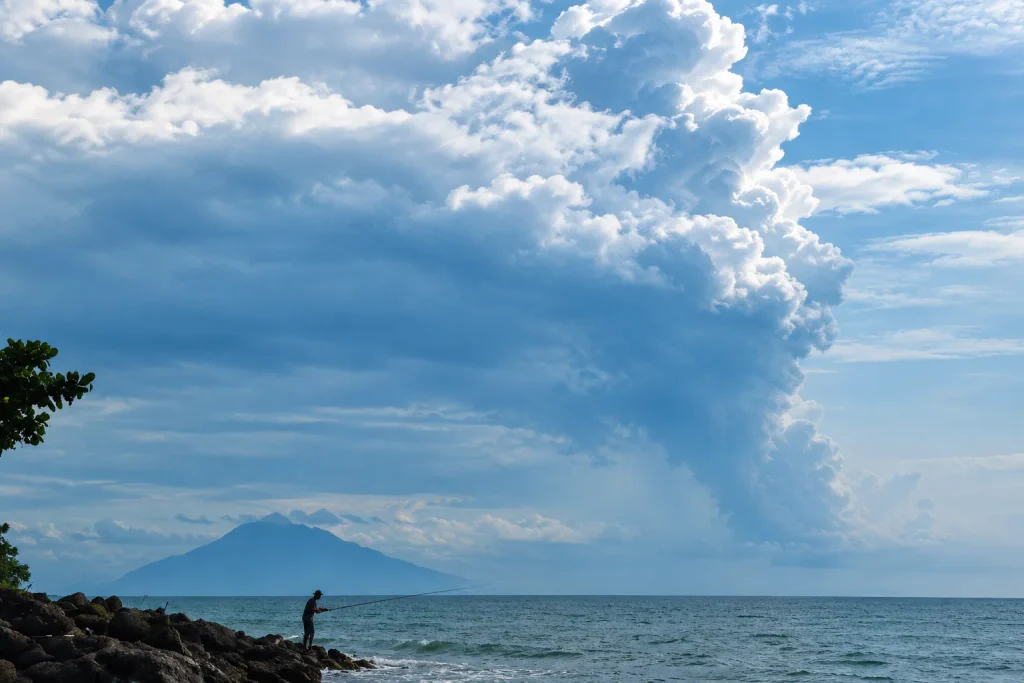
- The continuous eruption began late on September 4 and ran for roughly 25 hours before ending early on September 6, according to Indonesia’s Geological Agency as reported by The Bali Times.
- Ash reached about 20,000 feet on the Java side and 50,000 feet on the Sumatra side, per meteorological agency BMKG via CNN.
- Anak Krakatau stays at Level III, “Alert”, with a 3-kilometre exclusion zone and officials warning that further eruptions remain likely, CNBC reported.
- The US Embassy in Jakarta logged Soekarno-Hatta and Halim shut until 9:30am and Lampung until 10:00am on September 6.
- At Bali’s I Gusti Ngurah Rai, 108 flights were cancelled or retimed between 7am Sunday and 11am Monday, mostly on the Jakarta and Bandung routes, while the airport itself kept operating normally (The Bali Times).
Anak Krakatau sits in the Sunda Strait between Java and Sumatra. That’s over 1,000 kilometres west of Seminyak.
Nobody in Ubud is dodging lava. What got hit was airspace.
The Connection That Broke Was Domestic, Not International
Read the Bali numbers again. Of those affected flights, 43 were inbound from Soekarno-Hatta and five from Halim.
Which means the fragile part of a Karachi-to-Bali trip isn’t Bali.
It’s a Jakarta transfer.
There’s no nonstop from Karachi to Denpasar, so your routing is the entire risk decision. A Kuala Lumpur, Bangkok or Singapore connection drops you into DPS without ever touching the ash-affected corridors over Java.
Now the honest part about the other option. A Gulf transit carries its own live problem right now. EASA extended its conflict-zone bulletin for Gulf airspace to September 30 over the US-Iran conflict, and Gulf News has been tracking rolling delays and selective cancellations at Dubai and Abu Dhabi through early September, with several foreign carriers still suspending UAE services.
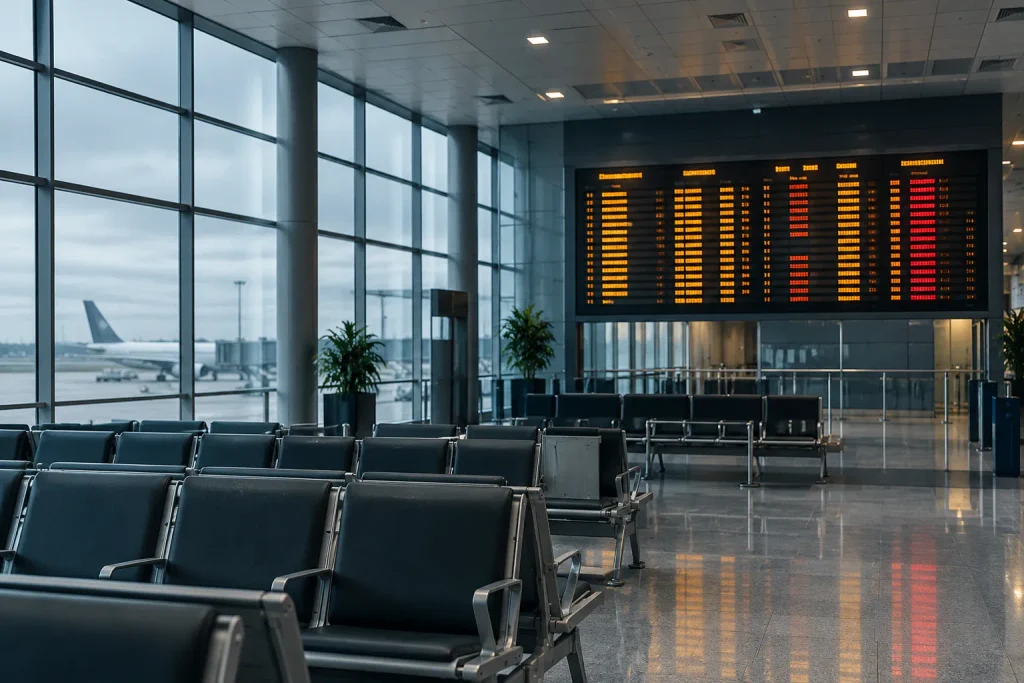
Stack a Gulf hub on top of Indonesian ash and you’ve bought two independent disruption sources on one ticket.
Rahat spent years inside Qatar Airways operations before she co-founded Zaviamo with Ali. Ask her what a volcanic-ash day actually costs a passenger and she won’t talk about one cancelled flight. She’ll talk about the rotation: the aircraft that never reached the hub, the crew that timed out, the three flights after yours that quietly disappear from the board.
That’s why routing gets decided before you pay, not at the check-in counter.
5 Rules For Booking Bali For The December Break
- Route around Jakarta. Pick a Kuala Lumpur, Bangkok or Singapore connection into Denpasar. Skip itineraries that require a domestic CGK-DPS leg to complete the trip.
- Buy a fare you can move. The cheapest bucket usually carries the harshest change rules. Pay the difference for a changeable fare and treat it as insurance you can actually use in 20 minutes on an app.
- Put the buffer day at the front. Land in Bali a full day before anything you’ve already paid for. Villa check-in, a Nusa Penida boat, a birthday dinner. One spare day absorbs almost every ash-related retiming.
- Read the official source, not the forwarded video. BMKG and the Geological Agency publish the ash and alert-level updates. Your airline’s app publishes your flight. A 40-second clip in a family group publishes panic.
- Keep hotel nights cancellable to seven days out. Free-cancellation rates cost a little more per night and save you the whole booking if the routing has to shift.
One more line on cover: if you’re buying travel insurance, check whether the policy names volcanic ash and natural disaster as covered reasons. Plenty of cheap plans don’t.
Where A Package Breaks And A Custom Plan Bends
A family in Clifton books a fixed 6-night Bali offer in September. In December, ash closes an airport for nine hours. Their leg shifts. Their villa doesn’t. Their transfer doesn’t. Their paid Uluwatu day doesn’t.
That’s not bad luck. That’s the model.
| Package model | Custom plan |
| Fixed routing, often via the cheapest hub | Routing picked around live airspace risk |
| Cheapest fare bucket, hardest change rules | Changeable fare where it protects you |
| Day 1 loaded with paid activities | Buffer day before anything unmissable |
| Non-refundable hotel block | Free-cancellation nights to seven days out |
| Sorted “on the ground” | Sorted before you board |
| Office hours only | WhatsApp at 11pm when the board flips |
Zaviamo has never sold a package. That started with a Turkey trip that went wrong and an agency that couldn’t add one Cappadocia night. A set itinerary can’t flex, and a week like this one is exactly when flex is the product.
Prefer a form over chat? Send your dates through here instead.
Is Bali Still The Right December Call?
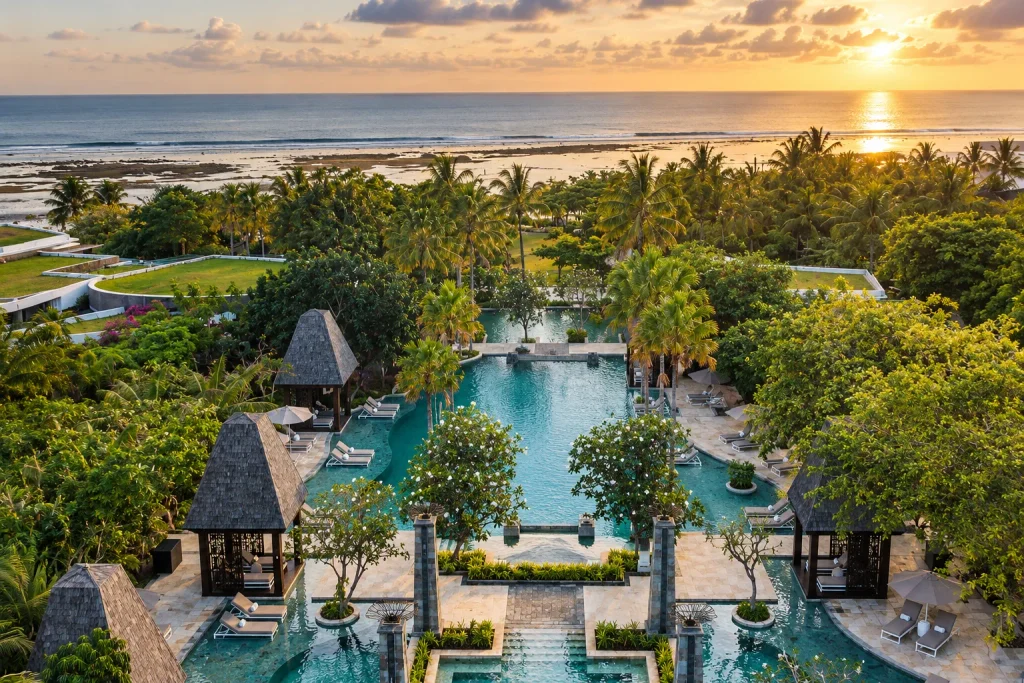
For most Pakistani families, yes, with the flights built properly.
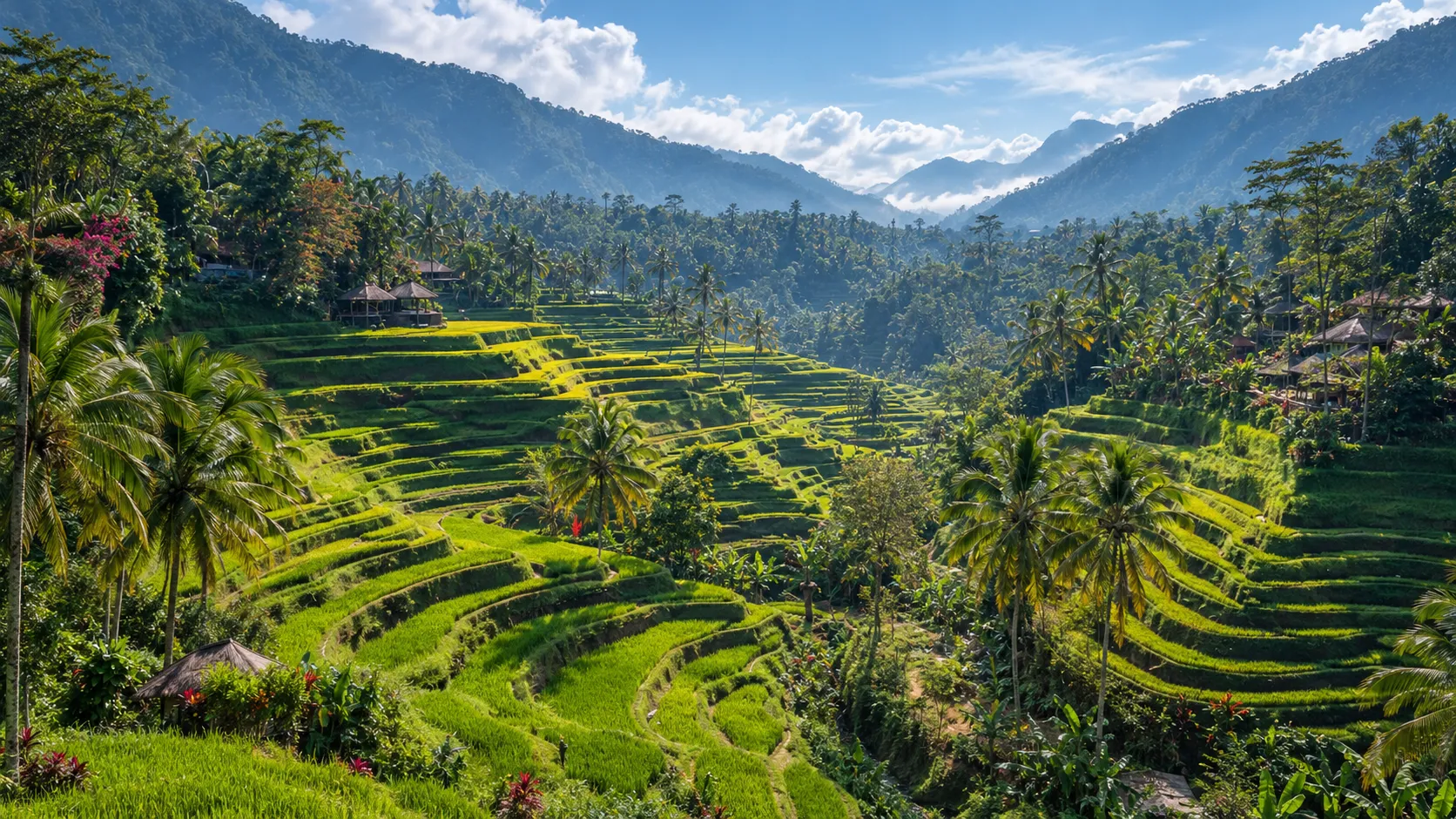
The halal-friendly side of the island has grown fast. Family resorts around Kuta and Nusa Dua now list halal dining, kids’ clubs and privacy-focused villa layouts, with The Anvaya Beach Resort in Kuta among the properties travel guides flag for Muslim families. Ubud gives you rice-field walks, craft workshops and temple mornings that keep older kids off their phones for a change.
See what a custom Indonesia trip actually includes before you compare it to a fixed offer.
And if you want December with zero volcano variable in the equation, Malaysia is the cleaner swap. Langkawi and Penang, no Java airspace anywhere near your routing.
Frequently Asked Questions
Is Bali safe to visit right now after the Anak Krakatau eruption?
Bali’s I Gusti Ngurah Rai International Airport remained open through the September 5 to 7 disruption, with 108 flights cancelled or retimed on mostly domestic Jakarta and Bandung routes. Anak Krakatau sits in the Sunda Strait, over 1,000 kilometres west of Bali. The volcano stays at Level III with a 3-kilometre exclusion zone, so the practical risk to a Bali holiday is flight disruption, not ground safety on the island.
Should I book Bali through Jakarta from Karachi?
Avoid it if you can. Of the affected Bali flights during the weekend eruption, 43 were inbound from Soekarno-Hatta and five from Halim. A Kuala Lumpur, Bangkok or Singapore connection into Denpasar keeps you out of the corridors that closed.
Will my December Bali flight get cancelled?
Nobody can promise either way, because Indonesia’s Geological Agency says the chance of further eruptions stays high while the volcano is at Level III. What you control is the booking. A changeable fare, a buffer day on arrival and free-cancellation hotel nights turn a disruption into an inconvenience instead of a lost trip.
Does travel insurance cover volcanic ash cancellations?
It depends entirely on the wording. Some policies name natural disaster and volcanic ash as covered reasons, others exclude them or cap the payout. Read the covered-reasons section before you buy, and check whether cover starts from the booking date or the departure date.
Tell us your December dates and how many kids you’re moving. We’ll build the routing around the risk instead of around a brochure.
Plan my Bali trip on WhatsApp and get your custom quote free, within 24 hours, zero pressure.
P.S. Changeable fares and free-cancellation rooms get more expensive the closer December gets, and the winter-break inventory for Bali family villas thins out first. The week to lock a flexible plan is this one, not the week schools close. Start planning your Bali trip on WhatsApp.
P.P.S. Yes, custom takes more work upfront than picking a fixed offer off a poster. That’s precisely why your first quote costs you nothing.